Thinking about updating your home before you sell in Allen? It is a common question, and in today’s market, the wrong pre-listing project can cost you time and money without adding much value. If you are trying to decide whether to renovate, freshen things up, or sell as-is, the good news is that the answer usually becomes clearer when you look at the market, your home’s condition, and your timeline. Let’s dive in.
Allen market conditions matter
If Allen still felt like a frenzy, major upgrades might seem like an easy bet. But current data point to a market where buyers have options and pay close attention to condition and pricing.
Recent public data show homes in Allen are still selling, but not instantly. Redfin reports homes sell in about 35 days on average and receive about one offer, while Realtor.com shows a 35-day median time on market and a median sold price of $483,142. MetroTex and NTREIS reported a 42-day median days on market, a 97.3% sold-to-list ratio, and 3.0 months of inventory in April 2026.
The label may vary depending on the source, but the takeaway is consistent. This is an active, price-sensitive market where presentation matters, and over-improving can be risky.
Why the answer is rarely all-or-nothing
Most sellers do not need to choose between a full remodel and doing absolutely nothing. In many cases, the smartest path sits in the middle.
If your home is structurally sound and mainly looks dated or tired, smaller improvements often make more sense than a large renovation. National remodeling data show that buyers are less willing to compromise on condition than they were before, but that does not automatically mean you should start a major project.
Renovations that usually make sense
When sellers spend money before listing, the best returns often come from updates buyers notice right away. Think clean, bright, well-kept, and move-in ready rather than high-end and custom.
According to the 2025 Remodeling Impact Report, painting is one of the top recommendations agents make before listing. The same research also shows strong buyer demand for kitchen upgrades, roofing, and bathroom renovations, but the cost recovery is generally better for smaller, focused improvements than for luxury-scale remodels.
Focus on visible, practical updates
If your home needs only light work, these are often the most defensible projects:
- Paint the whole home or key rooms
- Deep clean the entire home
- Declutter and simplify each space
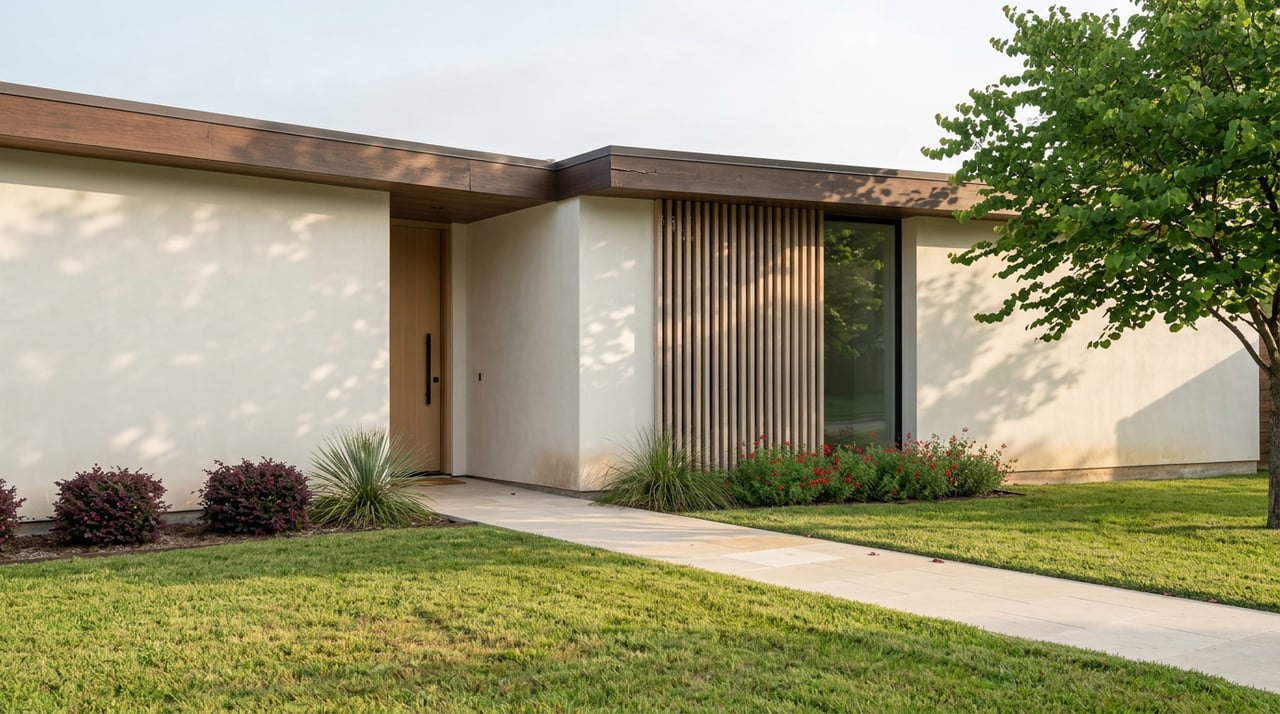
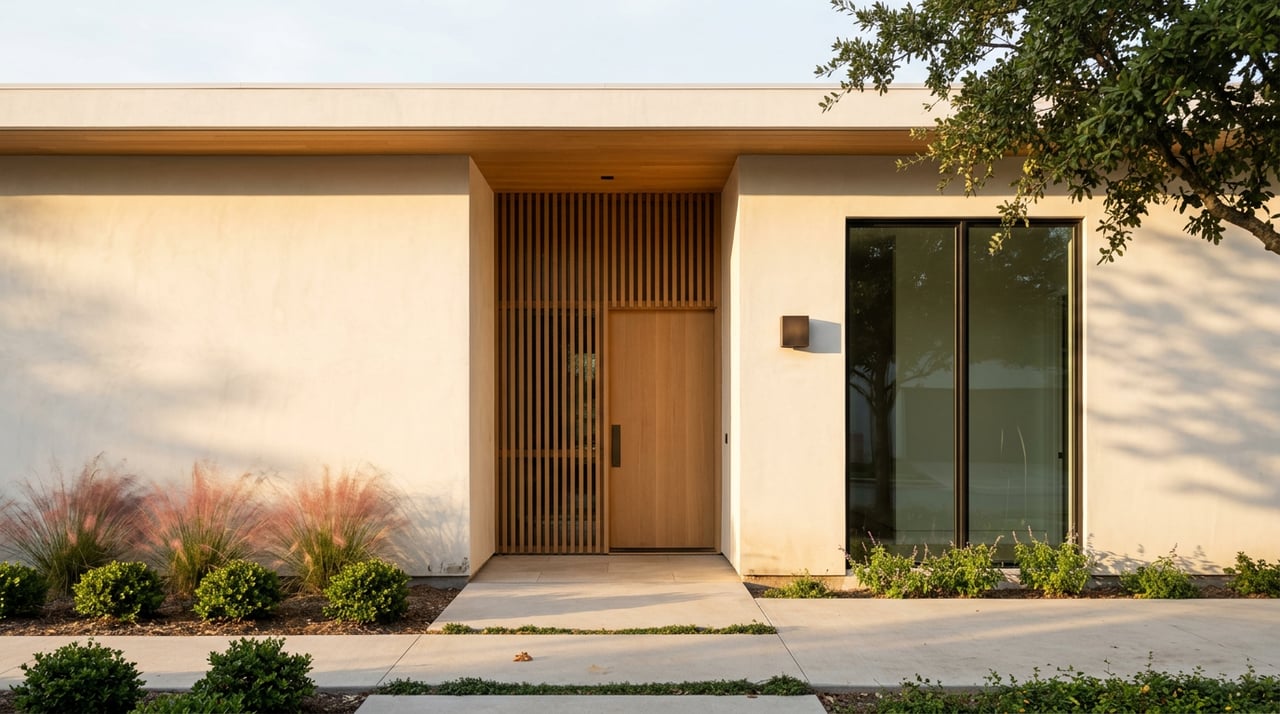
- Refresh curb appeal and the front entry
- Handle low-cost repairs buyers will notice right away
- Make limited kitchen or bath touch-ups if the layout and structure already work
This kind of prep supports your home’s presentation without sinking too much money into projects that may not pay you back.
Be careful with major remodels
Bigger is not always better before a sale. The 2025 Remodeling Impact Report estimates about 60% cost recovery for both complete and minor kitchen upgrades and 50% for a bathroom renovation.
Zonda’s 2024 Cost vs. Value findings also point to a similar pattern. Exterior replacement projects and modest remodels tend to outperform larger discretionary renovations when resale efficiency is the goal.
Curb appeal can do more than you think
If buyers are comparing several homes online and in person, first impressions matter. That is especially true in a market like Allen, where inventory gives buyers room to be selective.
Zonda’s 2024 national ROI figures show especially strong performance for garage door replacement and steel entry door replacement. Even if you do not take on those exact projects, the broader lesson is simple: exterior presentation often delivers more value than homeowners expect.
A tidy lawn, clean walkway, fresh mulch, a sharper front door, and a more welcoming entry can change how buyers feel before they even step inside. That emotional impact can help your home compete without the cost of a full renovation.
Staging may be the best middle ground
If your home is in decent shape but feels a little tired, staging can be a smart alternative to renovation. It helps buyers focus on the home’s strengths rather than its flaws.
The 2025 Profile of Home Staging found that 83% of buyers’ agents said staging made it easier for buyers to picture the property as a future home. It also found that 49% of sellers’ agents said staging reduced time on market, and 29% said staging led to a 1% to 10% increase in the dollar value offered.
Why staging works in Allen
Allen is not one-size-fits-all. Realtor.com’s neighborhood-level data show median days on market can vary from 26 days in Watters Crossing to 63 days in Starcreek, with Heritage Park at 30 days and Twin Creeks at 37 days.
That kind of variation tells you presentation can make a difference. When buyers have choices, a well-staged home can stand out faster than a similar home that feels cluttered, dark, or dated.
What to stage first
The same staging report shows the living room is the most important room to stage, followed by the primary bedroom and kitchen. Those are often the rooms where buyers form their strongest impressions.
The median cost of professional staging was reported at $1,500, while agent-assisted staging came in at $500. Compared with the cost of a major renovation, staging can be a more practical way to improve marketability.
When selling as-is makes more sense
Sometimes selling as-is is the better business decision. That is often true when the needed work goes beyond cosmetics, when contractor bids are high, or when you need to move quickly.
In Allen’s current market, buyers still have enough choice that obvious deferred maintenance can limit interest. But that does not mean you should automatically renovate. If the repair costs are steep and the resale payoff is uncertain, pricing for condition may be the cleaner move.
Selling as-is does not mean skipping disclosure
In Texas, selling as-is does not remove your disclosure duties. The Texas Real Estate Commission Seller’s Disclosure Notice is required for sellers of previously occupied single-family residences, and sellers must still disclose known material defects and physical-condition issues.
That means the real question is not whether to hide problems. The real question is whether it makes financial sense to fix them, price around them, or market the home honestly as a project opportunity.
A simple decision framework for Allen sellers
If you feel stuck, start by separating cosmetic issues from major repairs. Then compare the likely cost and payoff of each path.
For most Allen sellers, this framework works well:
Choose light updates if your home needs surface-level work
If your home mainly needs cosmetic improvement, the usual best order is:
- Complete low-cost repairs
- Paint where needed
- Deep clean the home
- Declutter and simplify
- Improve curb appeal
- Stage key rooms
This path often makes sense because it improves how buyers experience the home without taking on the cost and delay of a major remodel.
Choose as-is if the work is large or uncertain
If your home needs major systems work, extensive updates, or high repair spending, selling as-is may be more practical. That can be especially true if the project timeline would delay your move or if the likely price increase is too uncertain.
In a market with several weeks of average selling time and elevated inventory, caution around major pre-listing spending is reasonable.
The three numbers to compare before you decide
Before you renovate, stage, or sell as-is, compare these three numbers:
- Repair quote: What will the work actually cost based on current bids?
- Likely price lift: How much more could the home realistically sell for after the updates?
- Extra holding time: What will it cost you if the work delays your listing?
That side-by-side comparison often gives you a clearer answer than general advice ever could. If the cost is modest and the visual impact is high, updates may be worth it. If the cost is large and the return is uncertain, a well-priced as-is sale may protect your bottom line.
The best strategy is the one that fits your goals
There is no universal rule for every Allen seller. A home with light cosmetic wear may benefit from paint, staging, and a polished launch. A home with major deferred maintenance may do better with honest pricing and a straightforward as-is strategy.
What matters most is making a decision based on market conditions, your property’s actual needs, and your timeline. In Allen today, smart presentation often pays off, but disciplined spending matters just as much.
If you want help weighing repairs, staging, and pricing strategy for your Allen home, Hannah Gigley can help you build a plan that fits your timeline and goals.
FAQs
Should I renovate my Allen home before listing it for sale?
- If your home mostly needs cosmetic updates, smaller improvements like paint, cleaning, decluttering, curb appeal work, and staging are often more practical than a full remodel.
Is selling a house as-is in Allen a bad idea?
- Not necessarily. Selling as-is can be the smarter move if repair needs are substantial, contractor bids are high, or you need a faster and simpler sale.
What home updates have the best resale impact before selling in Allen?
- Research supports visible, practical updates such as painting, curb appeal improvements, front-entry refreshes, low-cost repairs, and modest kitchen or bath touch-ups.
Does staging help sell a home faster in Allen?
- Staging can help your home stand out, and national staging data found that many sellers’ agents reported reduced time on market after staging.
Do Texas sellers still have to disclose problems when selling as-is?
- Yes. Texas sellers of previously occupied single-family homes are still required to disclose known material defects and physical-condition issues, even in an as-is sale.