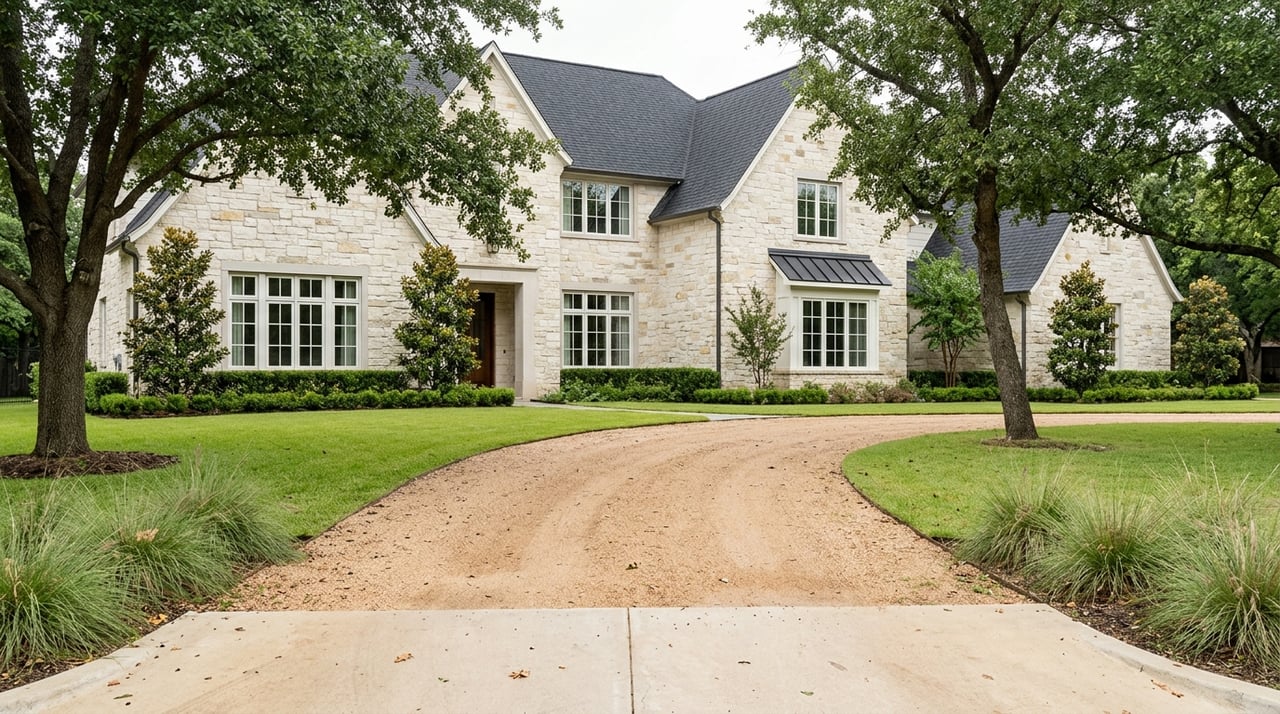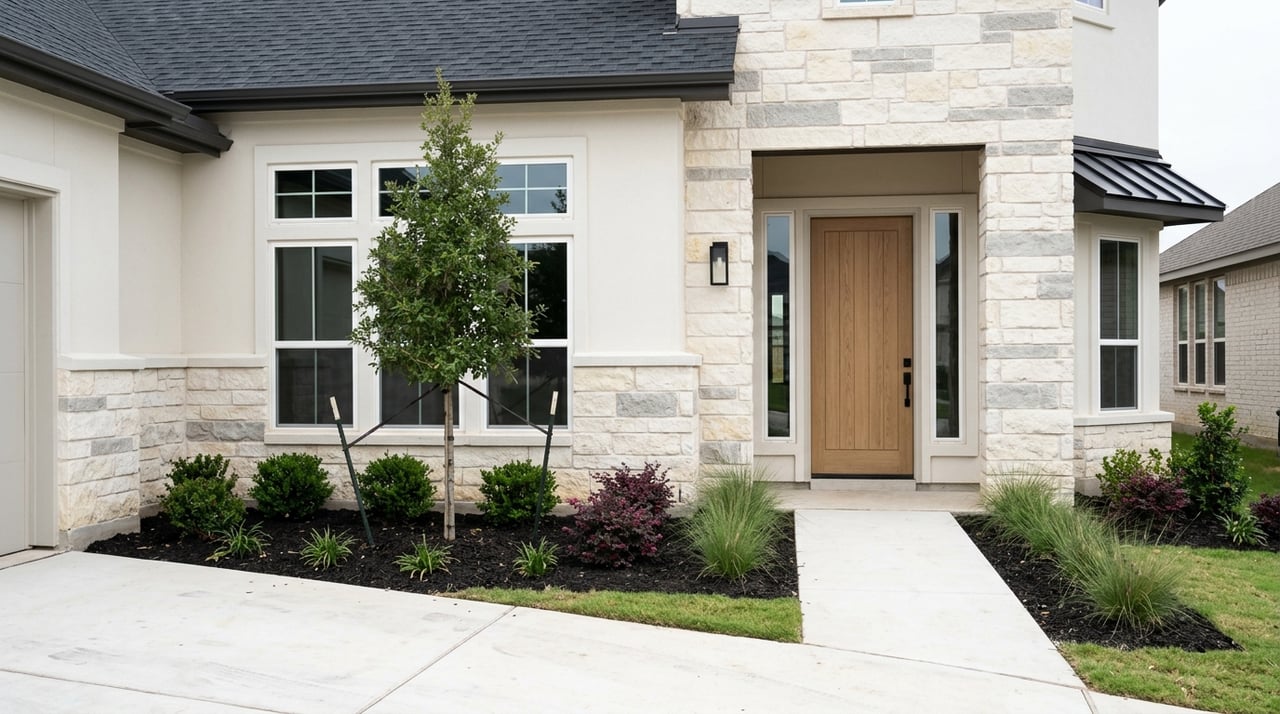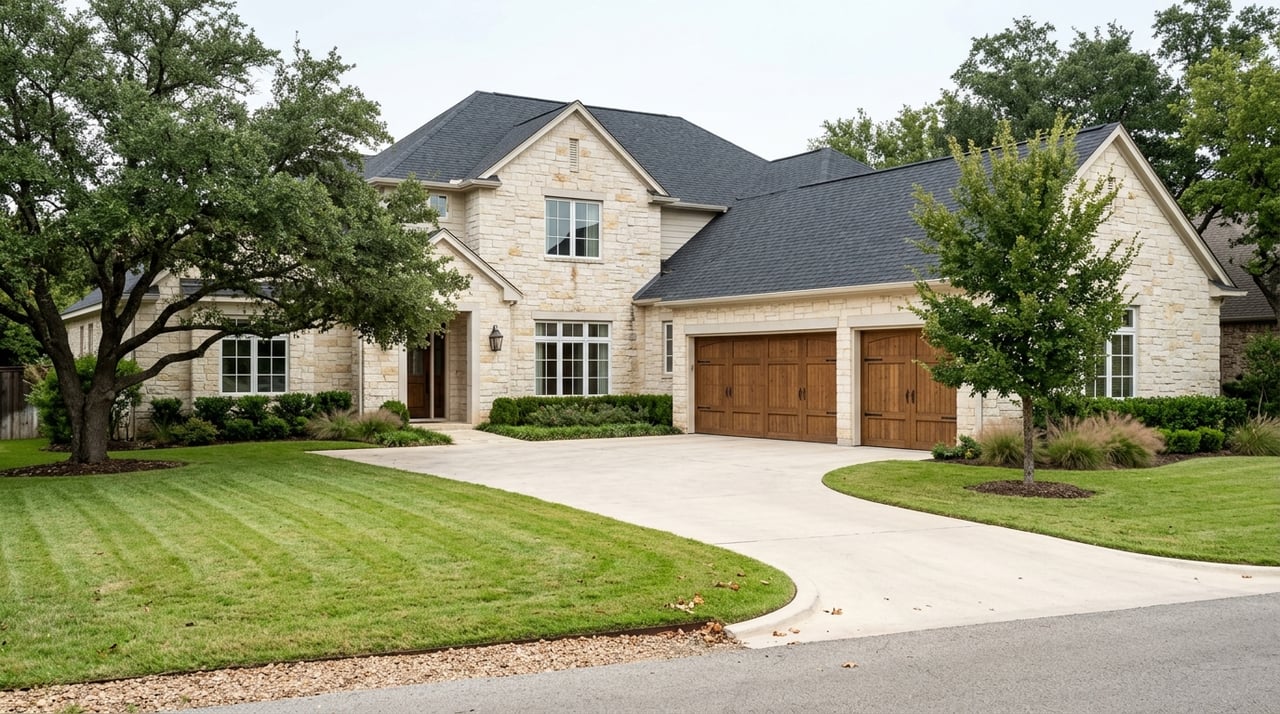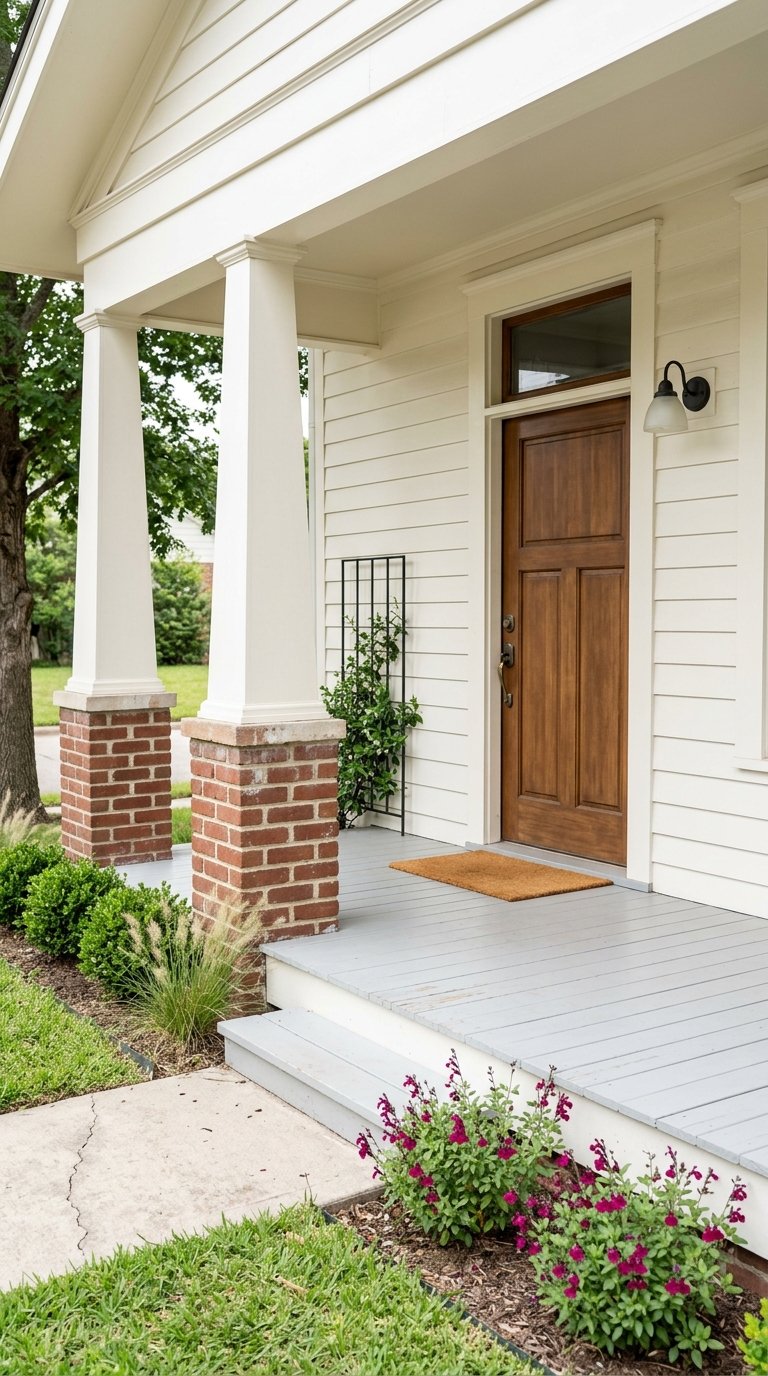
Trying to choose between a historic home near Downtown McKinney and a home in one of McKinney’s master-planned communities? You are not just comparing square footage or curb appeal. You are choosing between two very different ownership experiences, each with its own rhythm, rules, and lifestyle benefits. This guide will help you understand how historic homes compare with master-planned options like Stonebridge Ranch and Tucker Hill, so you can focus on the fit that makes the most sense for your life. Let’s dive in.
Two McKinney lifestyles
McKinney offers buyers a rare side-by-side contrast. In and around Downtown, historic homes often come with architectural character, older streetscapes, and close access to the city’s historic core. In master-planned communities, the experience is shaped more by HOA standards, shared amenities, and a more structured neighborhood design.
Neither option is automatically better. The right choice depends on how you want to live, how much flexibility you want with your home’s exterior, and what kind of neighborhood environment feels most comfortable to you.
Historic homes near Downtown McKinney
Historic neighborhoods near Downtown appeal to buyers who want a home with visible personality. McKinney’s historic home examples include styles such as Greek Revival, Craftsman, American Four-square, Queen Anne, and Victorian-era homes. That variety often gives these homes a more individualized look than what you would usually find in a newer subdivision.
Downtown itself is a major draw. The city describes Downtown McKinney as one of the oldest thriving historic downtowns in Texas, and says the Cultural District is part of the city’s identity and primary attraction. With more than 120 independently owned businesses and over two dozen restaurants in the area, many buyers are drawn to the nearby neighborhoods for the convenience of being closer to local shopping, dining, and day-to-day activity.
What ownership looks like in a historic area
If you buy in McKinney’s Historic Overlay District, exterior work is not always as simple as calling a contractor and getting started. The city requires a Certificate of Appropriateness before many visible exterior projects begin, including new construction, additions, and changes in materials visible from the public right of way.
That does not mean every repair becomes complicated. The city says ordinary maintenance is usually allowed when the materials and design do not change. Still, projects like replacing windows, siding, or exterior doors can require review, so it is important to understand those rules before you buy.
Why some buyers love historic homes
For many buyers, the value is in the feel of the home and the setting around it. Historic neighborhoods often offer a preserved streetscape, architectural details that are hard to replicate, and a stronger sense of place tied to McKinney’s older core.
The city also offers preservation-related incentives, including the Historic Neighborhood Improvement Zone and tax benefits connected to historic markers. The city explicitly says preservation encourages owners to keep original windows, siding, and doors, which makes preservation part of the ownership experience, not just a design preference.
Master-planned living in McKinney
If historic homes are often about character and location, master-planned communities are often about structure, amenities, and consistency. In these neighborhoods, the community itself becomes a major part of the homeownership experience.
That can mean trails, pools, green spaces, gathering areas, and more formal exterior standards. For buyers who want predictable upkeep expectations and shared neighborhood amenities, that can be a major advantage.
Stonebridge Ranch overview
Stonebridge Ranch is one of the largest master-planned options in McKinney. The official HOA site says the community spans more than 5,000 acres, includes 75 unique villages, and has more than 500 acres of open space.
This scale shapes the lifestyle. Instead of one single architectural style, Stonebridge Ranch is built around a large resident base, shared standards, connected green space, and common-area planning across many villages.
Stonebridge Ranch amenities
Amenities are central to the ownership experience here. The HOA highlights an aquatic center, trails, a community room, and an active Beach Club project. It also notes that hike-and-bike trails connect neighborhoods and green spaces throughout the community.
For some buyers, that creates a strong lifestyle package. You are not just buying a house. You are also buying into a broader community system designed around shared spaces and resident use.
Stonebridge Ranch rules and upkeep
Stonebridge Ranch also has a structured approval process. Homeowners must follow village guidelines and the community’s Modification Design Guidelines, and some villages have sub-associations with additional requirements.
The HOA says exterior changes and many repair or replacement projects may require an application and approval before work begins. If more than one set of rules applies, the most restrictive standard controls. The HOA also ties landscaping and exterior upkeep to a standard of being safe, clean, and attractive, with guidance covering lawns, trees, shrubs, and approved landscape treatments.
Tucker Hill overview
Tucker Hill offers a different take on master-planned living. The community describes itself as a traditional neighborhood development with architecture that is historically reminiscent. Its design includes a mix of rear-, front-, detached-, and side-entry garages, and front porches are intentionally used to encourage interaction among neighbors.
That gives Tucker Hill a more style-driven identity than many newer subdivisions. It is newer in construction, but the neighborhood planning is designed to feel more rooted and visually cohesive.
Tucker Hill amenities and design
Tucker Hill emphasizes a walkable neighborhood layout. The community highlights mature trees, ponds, creeks, open space, neighborhood green centers within a 5- to 10-minute walk, a resort-style pool, and a Dutch Colonial-inspired Residents’ Club with indoor and outdoor gathering space.
The community also says Harvard Park supports walking or bike riding to access merchants nearby. If you want a newer home with a stronger neighborhood design identity, Tucker Hill offers a blend of planned amenities and a more traditional streetscape feel.
Tucker Hill rules and fees
Like other master-planned communities, Tucker Hill has formal exterior review. The HOA says all exterior changes must be submitted by the homeowner for Design Review approval. The HOA assessment is listed at $415 per quarter, and common-area funding supports entrances, green spaces, Founders Square, playgrounds, the pool, and the Residents’ Club.
Tucker Hill also says the architectural mix is intentionally varied from block to block so homes complement one another without repeating the same house throughout the neighborhood. That gives buyers some visual variety while still keeping a coordinated look.
Historic vs master-planned: key differences
When you compare these options, the biggest differences usually come down to freedom, upkeep expectations, and neighborhood identity. Historic areas and master-planned communities both have rules, but those rules serve different purposes.
Historic homes near Downtown are tied more closely to preservation and visible exterior compatibility. Master-planned communities are tied more closely to community standards, amenity use, and consistent appearance across the neighborhood.
Quick comparison
| Feature | Historic McKinney | Stonebridge Ranch / Tucker Hill |
|---|---|---|
| Home style | Often more individualized and period-specific | More coordinated within community standards |
| Exterior changes | City review may apply in Historic Overlay District | HOA design review often applies |
| Lifestyle focus | Downtown proximity and preserved setting | Amenities, shared spaces, and planned neighborhood structure |
| Upkeep expectations | Preservation-minded maintenance may matter more | Defined landscape and exterior standards are common |
| Buyer appeal | Character, authenticity, and location | Consistency, amenities, and lifestyle structure |
How to decide what fits you best
If you love original architecture, want to be closer to Downtown McKinney, and appreciate a preserved streetscape, a historic home may feel like the better match. You should also be comfortable checking city requirements before making visible exterior changes.
If you want neighborhood amenities, clearer day-to-day standards, and a more structured community environment, a master-planned neighborhood may fit better. In Stonebridge Ranch, that may look like scale, trails, and broad amenity access. In Tucker Hill, it may look like a more design-forward neighborhood feel with organized common spaces and a walkable layout.
Think beyond the house itself
This choice is also about how you want your home to function over time. If you enjoy the idea of preserving original details, a historic property may be rewarding. If you prefer a community where exterior expectations are already clearly spelled out, a master-planned home may feel simpler to manage.
Resale is usually less about one option being universally stronger and more about finding the right buyer match. Historic homes often appeal to buyers seeking character and downtown lifestyle, while master-planned homes often appeal to buyers who value amenities, consistency, and a more defined community experience.
What buyers in McKinney should review first
Before you make an offer, it helps to review the rules that will shape ownership after closing. That step can save you time, money, and frustration later.
Here are a few smart questions to ask:
- Is the home in McKinney’s Historic Overlay District?
- What exterior projects require city review or a Certificate of Appropriateness?
- Is the home part of an HOA or sub-association?
- What design guidelines apply to repairs, replacements, landscaping, or additions?
- What amenities are included, and how are they funded?
- Are the neighborhood standards a good match for how you want to maintain and enjoy your home?
Choosing between historic and master-planned living in McKinney is less about right versus wrong and more about lifestyle alignment. When you understand the rules, the upkeep expectations, and the neighborhood identity on the front end, you can make a decision that feels right not just on move-in day, but for years to come.
If you want help comparing McKinney neighborhoods, narrowing down your search, or weighing how a home will live day to day, Hannah Gigley would love to help you make a confident move.
FAQs
What is the difference between historic and master-planned homes in McKinney?
- Historic homes near Downtown McKinney usually offer more architectural character and are often closer to the city’s historic core, while master-planned homes are typically shaped by HOA standards, shared amenities, and a more structured neighborhood design.
Do historic homes in McKinney require approval for exterior changes?
- Yes, in McKinney’s Historic Overlay District, many visible exterior projects require a Certificate of Appropriateness before work begins, although ordinary maintenance is usually allowed if materials and design stay the same.
Do Stonebridge Ranch homes in McKinney have HOA rules for updates?
- Yes, Stonebridge Ranch homeowners must follow village guidelines and Modification Design Guidelines, and many exterior changes or repair projects may require approval before work starts.
Do Tucker Hill homes in McKinney require HOA design review?
- Yes, Tucker Hill says all exterior changes must be submitted by the homeowner for HOA Design Review approval.
Are master-planned homes in McKinney lower maintenance than historic homes?
- Not necessarily. Master-planned communities often have more defined upkeep standards, especially for landscaping and exterior appearance, while historic homes may involve preservation-related considerations for visible exterior work.
Is one type of home better for resale in McKinney?
- No, resale tends to be a buyer-match question. Historic homes may attract buyers who value character and downtown proximity, while master-planned homes may attract buyers looking for amenities, consistency, and a structured community lifestyle.