If your McKinney home is sitting in a market with more choices for buyers, presentation can make the difference between a quick, strong offer and weeks of extra showings. That can feel stressful when you are also trying to move, relocate, or simply protect your bottom line. The good news is that smart staging is not about spending everywhere. It is about focusing on the details that help your home stand out online and in person. Let’s dive in.
Why staging matters in McKinney
McKinney is no longer the ultra-fast seller environment many homeowners remember from the pandemic years. According to Realtor.com’s McKinney market overview, the city was labeled a buyer’s market in January 2026, with 2,201 active listings, a median sale price of $499,999, 73 median days on market, and a 98% sale-to-list ratio.
That broader pattern shows up across the area as well. Collin County market data reported a similar 98% sale-to-list ratio and 82 median days on market. In a market like this, buyers have time to compare homes, notice details, and wait for the right fit.
That is exactly why staging matters. When inventory is up and homes are taking longer to sell, your home needs to feel move-in ready, well cared for, and easy to picture as someone’s next home.
What staging actually changes
Staging is not just decorating. It is a marketing tool that helps buyers connect with the home faster and more clearly. The National Association of REALTORS® 2025 Profile of Home Staging found that 83% of buyers’ agents said staging made it easier for buyers to envision the property as their future home.
That same report also found that 49% of sellers’ agents said staging reduced time on market. Another 29% said it increased the dollar value offered by 1% to 10%. For a home around McKinney’s roughly $500,000 median price, that is an illustrative range of about $5,000 to $50,000, not a guarantee, but a useful way to understand the potential impact.
The takeaway is simple: staging supports both speed and perceived value. In a balanced or buyer-leaning market, that can be a major advantage.
Focus on the rooms buyers notice first
Not every room needs the same level of attention. NAR found that the rooms with the biggest impact are the living room, primary bedroom, and kitchen. Sellers most often stage the living room, primary bedroom, dining room, and kitchen.
If you are deciding where to spend time and money, start there. These rooms tend to shape a buyer’s first impression, both in listing photos and during showings.
Living room presentation
Your living room should feel open, bright, and easy to understand. Remove extra furniture, clear crowded shelves, and create a layout that highlights natural flow. Buyers should be able to see how the room functions within seconds.
A few well-placed accessories can help, but less is usually more. The goal is to make the space feel calm and proportional, not overly styled.
Primary bedroom calm
The primary bedroom should feel restful and spacious. Crisp bedding, simple nightstands, and clear surfaces go a long way. If the room feels cramped, remove extra seating or oversized furniture.
Soft, neutral styling tends to photograph better and helps buyers focus on the room itself. You want the space to feel inviting without looking too personal.
Kitchen clarity
In the kitchen, clear counters are one of the fastest wins. Leave only a few purposeful items out, such as a bowl, a small plant, or one attractive countertop piece. Everything else should be tucked away.
Lighting and cleanliness matter here more than almost anything. Since kitchens are heavily photographed and closely inspected, even minor visual distractions can affect how buyers judge the home.
Start with high-visibility improvements
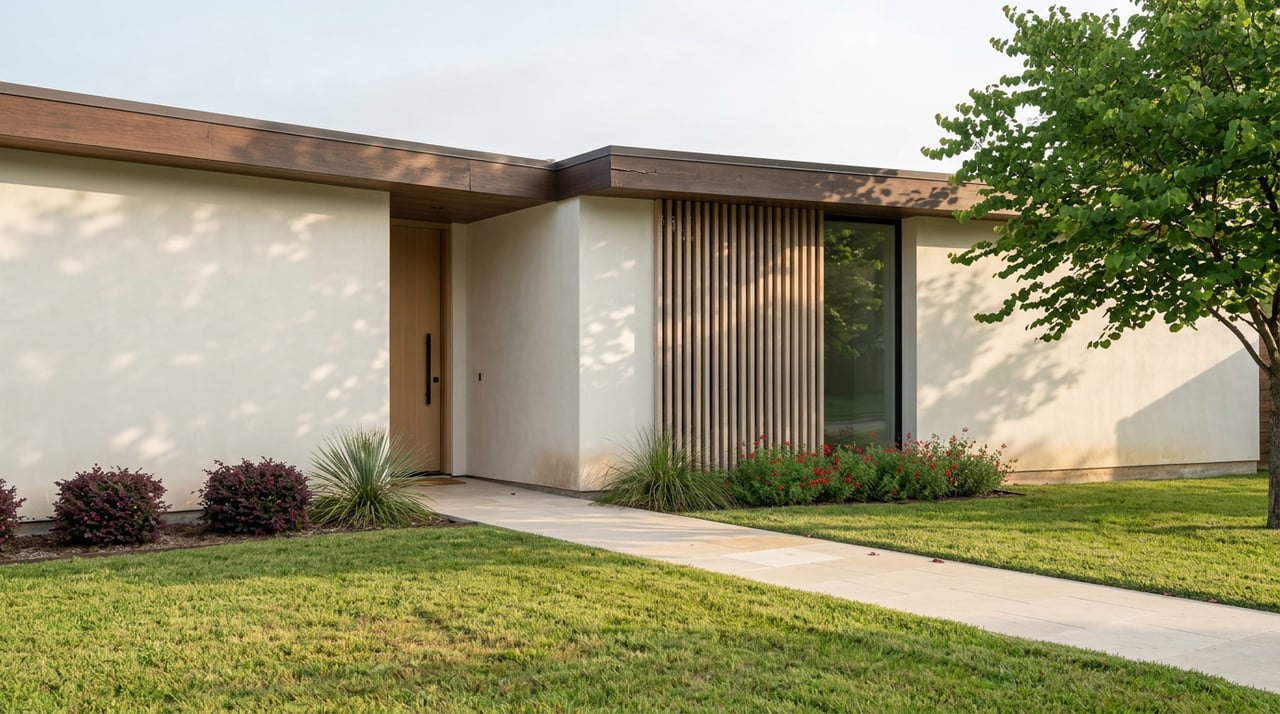
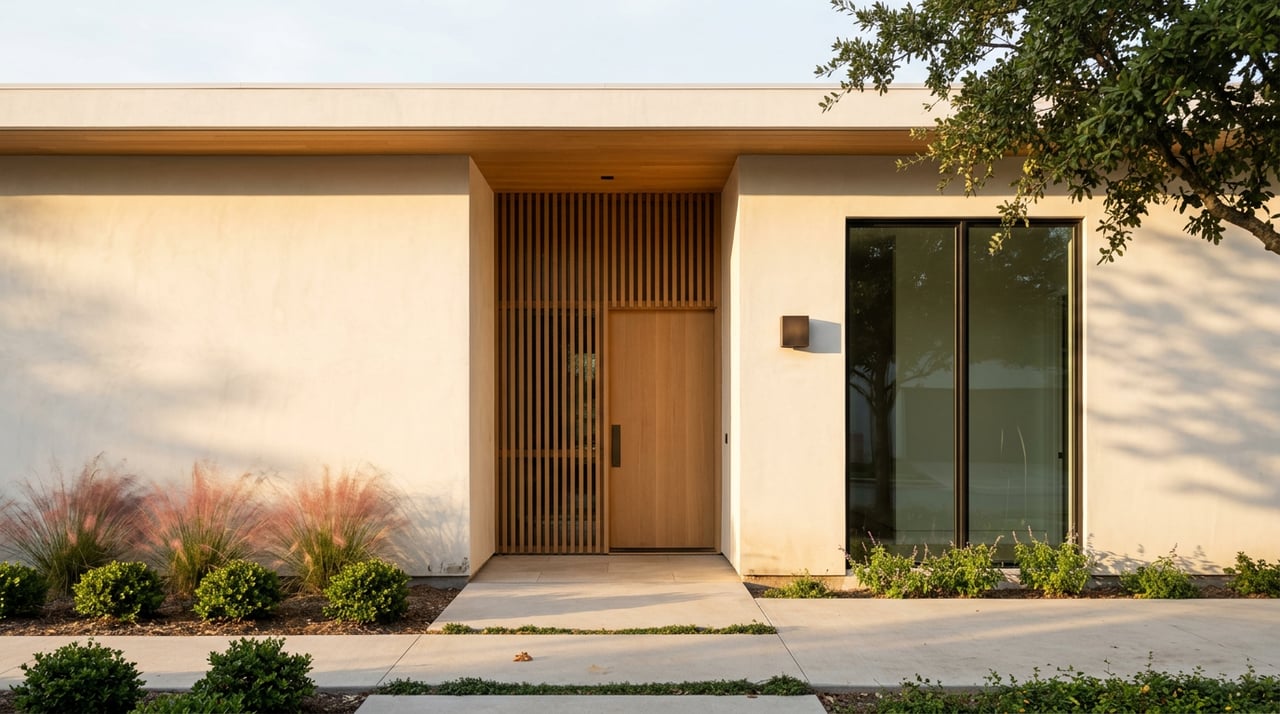
In many cases, the best staging strategy begins before any furniture or decor is added. NAR’s 2025 remodeling guidance points to practical pre-listing improvements that help with perceived condition and resale value, including painting, front door updates, and exterior presentation.
These lower-budget updates often have strong impact because buyers notice them right away online and at the front door. If you want the best return on effort, start with what people see first.
High-impact prep checklist
- Declutter every main living area
- Deep clean floors, windows, counters, and bathrooms
- Paint one room or the full interior if walls feel dated or worn
- Refresh the front door
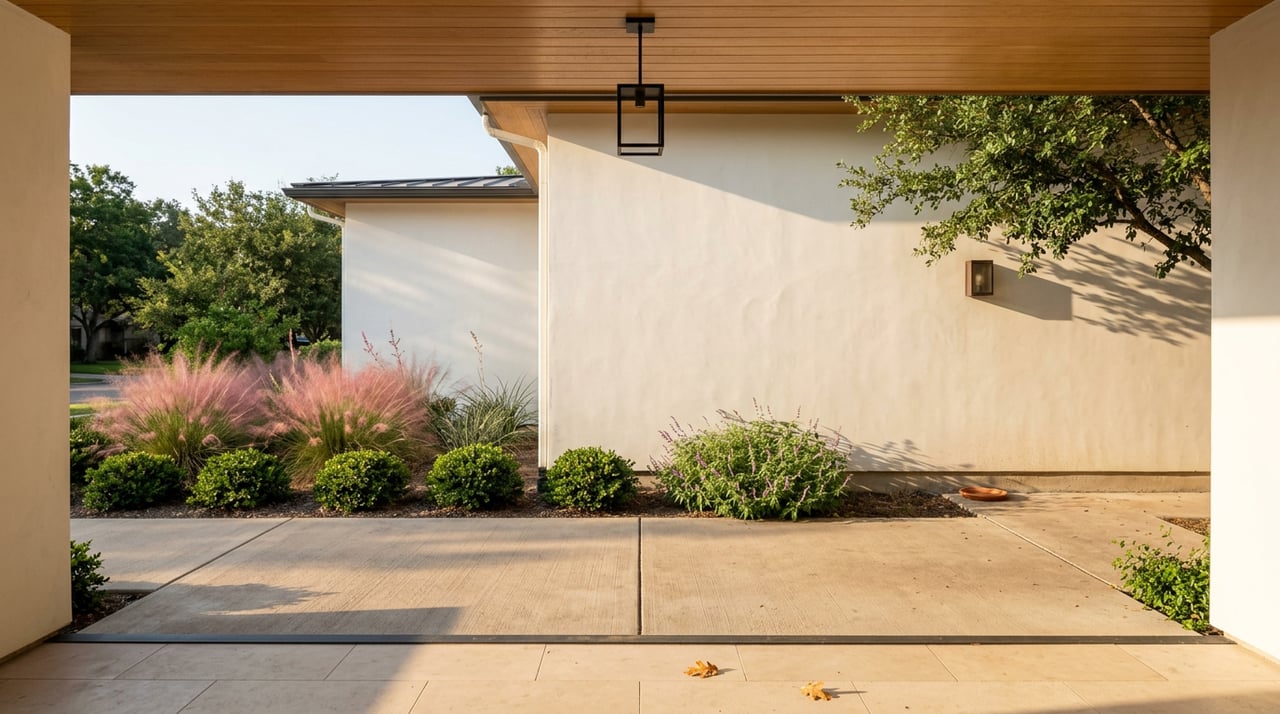
- Improve basic landscaping and entry presentation
- Replace burnt-out bulbs and make lighting consistent
- Address obvious maintenance issues buyers will spot quickly
These steps help your home feel more polished before professional marketing even begins.
Make online presentation part of staging
Today, staging does not stop at the front door. It starts on a screen. According to NAR’s guidance on online visibility, 52% of buyers found the home they purchased online, and 81% rated listing photos as the most useful feature in their search.
That means your staging plan and your photo plan should work together. A beautifully prepared home that is poorly photographed will not perform as well as it could. In the first few days on market, strong visuals can help your listing gain traction instead of getting overlooked.
What photographs best
The best listing photos usually show:
- Clear floor space
- Balanced furniture layouts
- Bright rooms with open window treatments when appropriate
- Minimal countertop and tabletop clutter
- Defined room purpose
- Clean exterior lines and tidy landscaping
Older but still relevant data from a Redfin study on professional real estate photos found that professionally photographed homes in the $400,000 range sold about three weeks faster and for more than $10,000 more relative to their list-price comparison than homes with amateur photos. The exact outcome will vary, but the direction is clear: better presentation tends to create better engagement.
Match your staging to your price point
A smart McKinney staging strategy depends on your home’s likely buyer, condition, and comparable sales. The right plan for a home near the city median may look different from the right plan for a higher-end property.
McKinney neighborhood medians vary widely on Realtor.com, from roughly $465,000 in Westridge to about $622,450 in Stonebridge Ranch and around $675,000 in Eldorado. That is why staging should support your comp set, not ignore it.
For homes near the local median
If your home is around the middle of the market, focus on updates that show up clearly in photos and during showings. NAR’s remodeling data suggests strong practical value in projects such as closet renovation, new vinyl windows, minor kitchen upgrades, and bathroom refreshes.
That does not mean you should renovate everything. It means visible, functional improvements often make more sense than large, expensive projects.
For higher-end homes
If your home competes with upgraded properties, the presentation bar may be higher. Buyers in this segment often expect a more refined look, stronger flow, and a fully cohesive first impression.
Still, the same rule applies: spend where buyers will notice it. Large remodels may only make sense when comparable homes already support that level of finish and pricing.
Full staging is not always necessary
One of the most helpful findings from NAR’s staging report is that many sellers’ agents do not fully stage every listing. Instead, they often recommend decluttering, cleaning, and correcting visible issues first.
That matters because many sellers assume staging has to mean renting an entire house full of furniture. In reality, some of the most effective listing preparation is selective and strategic.
When partial staging works well
Partial staging can be a strong option when:
- You already have well-scaled furniture
- The home is occupied and in generally good condition
- A few key rooms need the most support
- The goal is to improve flow and photo appeal without a full vacant-home install
This approach often gives sellers a better balance of cost, effort, and impact.
A practical staging strategy for McKinney sellers
If you want a simple way to think about your next steps, use this order of operations:
- Declutter and depersonalize so buyers can focus on the home.
- Deep clean everything because condition is judged quickly.
- Repair visible issues that may raise questions during showings.
- Refresh paint and curb appeal where wear is obvious.
- Prioritize the living room, primary bedroom, kitchen, and entry.
- Coordinate staging with professional photography and video for stronger online impact.
- Price in line with the market so presentation and strategy work together.
In McKinney, where homes may spend weeks or even months competing for attention, this kind of focused prep can help you create momentum early.
The bottom line for sellers
In today’s McKinney market, staging is not about making your home look fancy for its own sake. It is about helping buyers connect with the property quickly, online and in person, so your listing stands out in a more competitive field.
The most effective approach is usually not the most expensive one. It is the one that improves how your home feels in the first photo, the first click, and the first 10 minutes of a showing.
If you are getting ready to sell and want a tailored plan for what to update, what to skip, and how to present your home for the strongest possible launch, Hannah Gigley can help you create a strategy that fits your price point, timeline, and goals.
FAQs
What staging strategies help McKinney homes sell faster?
- The most effective strategies usually include decluttering, deep cleaning, improving curb appeal, refreshing paint where needed, and prioritizing the living room, primary bedroom, kitchen, and entry for photos and showings.
Does home staging increase sale price in McKinney?
- NAR’s 2025 staging report found that 29% of sellers’ agents said staging increased the dollar value offered by 1% to 10%, though results vary by property, pricing, and market conditions.
Is full home staging necessary for every McKinney listing?
- No. Many sellers benefit from partial staging or consultative prep, especially when the home is occupied and already has usable furniture, strong layout, and good overall condition.
Which rooms should McKinney sellers stage first?
- NAR reports that the living room, primary bedroom, and kitchen have the strongest impact on buyers, making them the best places to start.
Why do professional photos matter when selling a McKinney home?
- Most buyers begin online, and NAR says listing photos are the most useful search feature for 81% of buyers, so strong photography helps your home earn attention early and support better showing activity.